 lop News
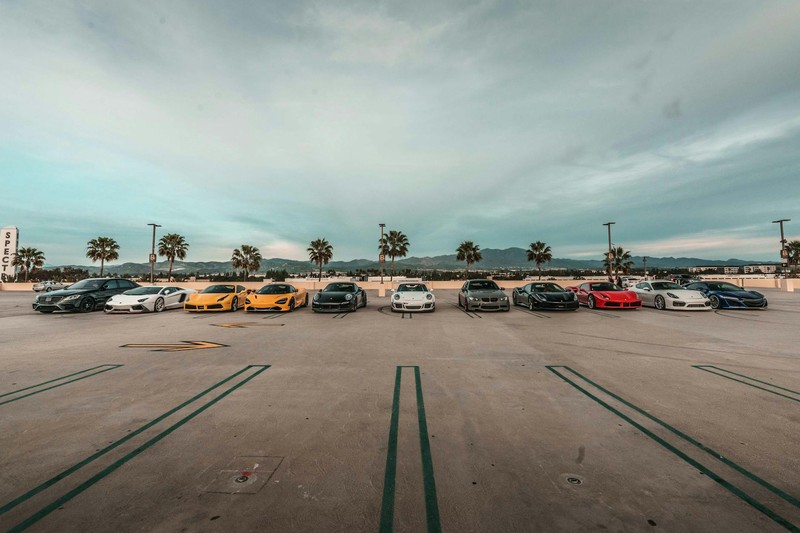
Rolls-Royce promised in 2021 to sell nothing but electric cars by 2030. Last week, CEO Chris Brownridge scrapped that target entirely. Spectre sales fell 47 percent in 2025. The V12, apparently, is not dead yet.
In isolation, a low-volume luxury brand adjusting its powertrain mix barely registers as climate news. But Rolls-Royce is not in isolation. It joins Bentley, Aston Martin, Lamborghini, Porsche, Ford, GM, Stellantis, Honda, Hyundai, Kia, and Tesla in cancelling, delaying, or walking back electric vehicle commitments made during the subsidy era. The combined write-downs across Ford, GM, and Stellantis alone now exceed $53 billion, according to Automotive News — the largest EV-related capital destruction in the industry’s history.
The Paradox of the Pullback
The retreat is structural, not cyclical. The Trump administration killed federal EV tax credits in September 2025. Charging infrastructure remains patchy. Tariffs have raised battery costs. By early 2026, the industry had absorbed at least $65 billion in losses and write-downs tied to strategies built around government incentives that no longer exist, per Automotive News.
“For every client that loves an electric vehicle there is one who does not,” Brownridge told The Times. At Rolls-Royce, that split is now lopsided: the electric share of deliveries dropped from 33 percent in 2024 to 17.7 percent in 2025, according to BMW’s annual report.
What Vanished
The 2026 Detroit Auto Show told the story in miniature. Electric vehicles, once framed as the industry’s inevitable destination, were no longer the centrepiece. Automakers showed hybrids, updated petrol models, and incremental efficiency gains instead. The word “transition” appeared less often than “flexibility.”
None of this repeals physics. Transport remains roughly a quarter of global CO₂ emissions, and every delayed EV target pushes the math on 1.5°C further out of reach. The corporate consensus that once made electrification feel inevitable has fractured — not because the science changed, but because the subsidies did.