 lop News
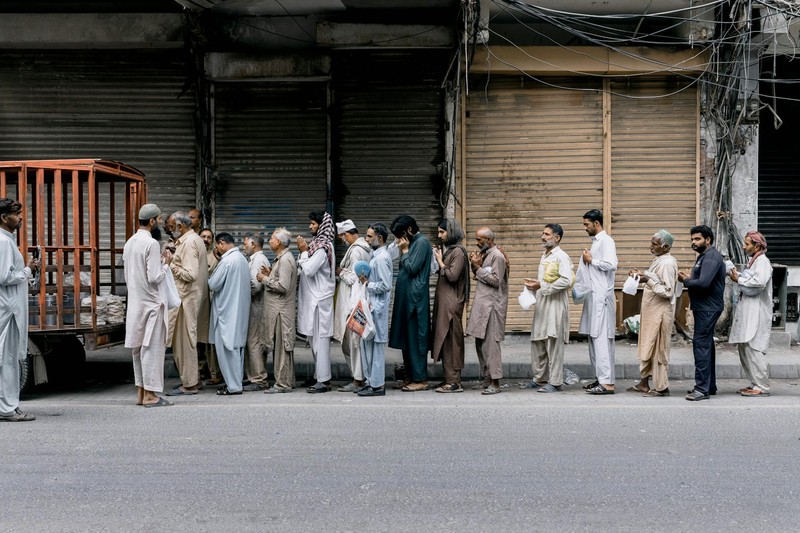
At Slovenian gas stations, the price of the Iran war is posted in black and white: €1.70 per liter, when you can find fuel at all.
The Slovenian government imposed nationwide fuel limits Sunday, capping purchases at 50 liters per day for individuals and 200 liters for businesses. The army was deployed to support distribution. The restrictions, announced as exit polls closed, will remain in place “until further notice,” authorities said.
The crisis traces directly to the Strait of Hormuz. The US-Israeli attack on Iran disrupted oil supplies, but Slovenia’s price controls kept petrol below €1.50 per liter — a bargain that attracted drivers from neighboring Austria and Italy. When those caps lifted Friday, prices jumped, but the surge in foreign demand had already strained supply chains. Supply shortages have been most pronounced at energy company Petrol, which has struggled to keep stations stocked.
Prime Minister Robert Golob, who announced the restrictions, may not be in charge much longer to solve them. His center-left Freedom Movement won 28.5% of the vote in Sunday’s parliamentary election — a statistical tie with Janez Jansa’s right-wing Slovenian Democratic Party at 28.1%, with 99% of ballots counted, according to the State Election Commission.
Neither party will command a majority in the 90-member parliament. Coalition negotiations will depend on smaller parties as kingmakers. Golob acknowledged “tough negotiations lie ahead.” Jansa, a former prime minister who has served three terms, predicted “there will not be much stability.”
A country that kept fuel cheap through a global oil shock now faces both empty pumps and political gridlock. The global arrived at the local. The bill is coming due.