 lop News
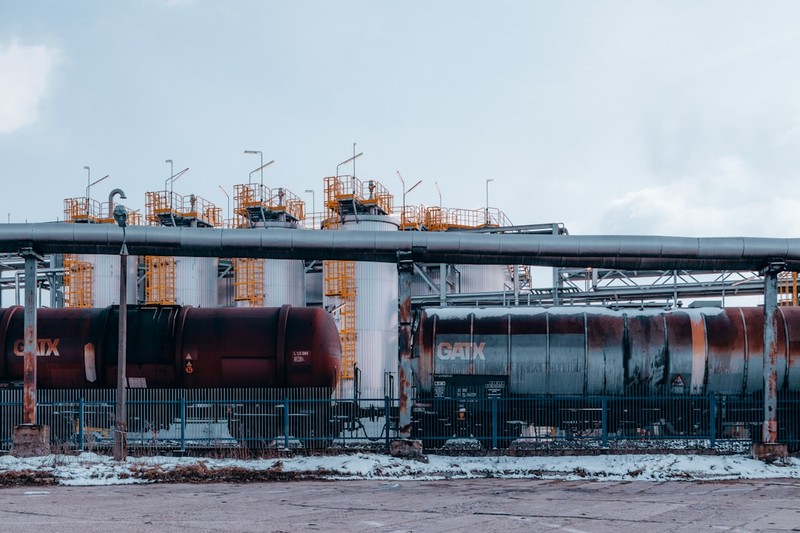
Two oil shocks and one gas crisis, all at once. That’s how Fatih Birol, head of the International Energy Agency, framed the unfolding energy catastrophe from the Iran war — and the historical comparison wasn’t hyperbole.
The combined oil shocks of the 1970s removed about 5 million barrels per day from global markets. Russia’s 2022 invasion of Ukraine knocked out roughly 75 billion cubic meters of natural gas. The current conflict has already erased 11 million barrels of daily oil supply and 140 billion cubic meters of gas.
“This crisis, as things stand now, is two oil crises and one gas crisis put all together,” Birol told journalists in Canberra on Monday.
The Strait of Hormuz, through which roughly 20% of global oil supply normally flows, has been effectively closed since the conflict began on February 28. At least 40 energy assets across nine Middle Eastern countries have been severely damaged, according to the IEA. Even a ceasefire wouldn’t immediately restore supply.
The disruption extends beyond hydrocarbons. Birol warned that trade in petrochemicals, fertilizers, sulfur, and helium — “vital arteries of the global economy” — has been interrupted.
The IEA released 400 million barrels from strategic reserves on March 11, its largest emergency deployment ever. Birol said further releases are possible, but acknowledged the limits: “Our stock release will help to comfort the markets, but this is not the solution. It will only have to reduce the pain on the economy.”
With President Trump’s 48-hour ultimatum to Iran set to expire Monday night, the prospect of further escalation looms. “No country will be immune,” Birol said.
Discussion (6)