The Traders Who Knew Too Much
Fifteen minutes before Trump's market-moving Truth Social post, someone was already trading. The pattern keeps repeating — and prediction platforms are scrambling to write rules for a game they helped create.
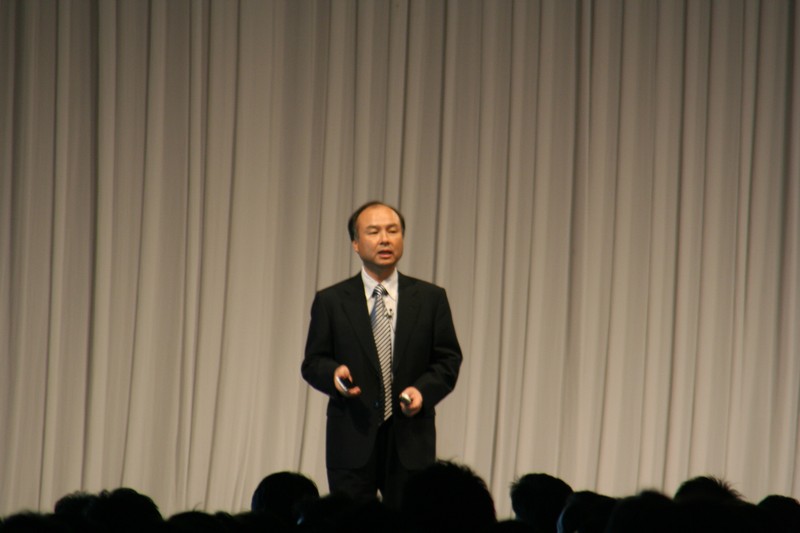
S&P just downgraded SoftBank's outlook to negative. The reason? A $30 billion bet on OpenAI that will make the ChatGPT maker 30% of the conglomerate's portfolio—tied with Arm for its largest single holding.
After eight years, Brussels and Canberra finally have a deal. Australian wine gets a $37 million tariff break, European carmakers get a path into a protected market, and both sides get a hedge against an increasingly hostile global trade environment.
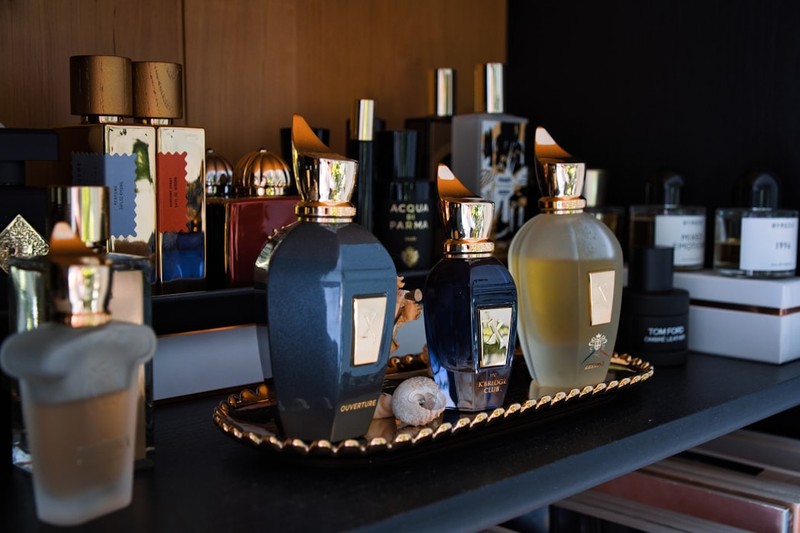
A combined $40 billion beauty giant would unite Clinique with Carolina Herrera, Tom Ford with Jean Paul Gaultier. But Estée Lauder's stock fell 8% on the news — investors aren't convinced this fixes what's broken.
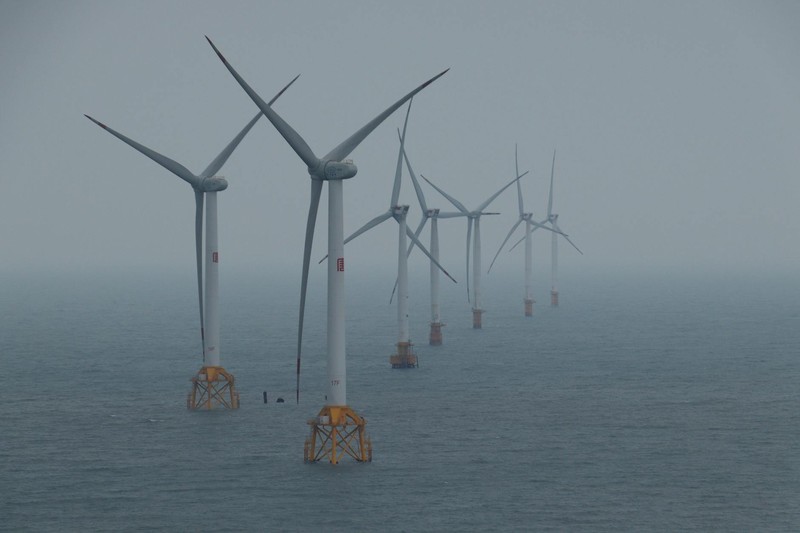
The Trump administration is handing TotalEnergies nearly $1 billion in taxpayer funds to abandon offshore wind leases — and the company will spend the money on LNG and oil drilling instead.
The mechanism exists to cap prices and shield consumers — but Lisbon cannot pull the trigger without Brussels signing off first.
The Ukrainian-American billionaire who turned a subscription platform into the dominant force in adult entertainment has died. The company was already shopping for a buyer. Now the clock is ticking.
Beijing capped its biggest fuel price hike of the year at half the market rate—the first such intervention since 2013. The move reveals both the strength of China's strategic reserves and the limits of even the best-laid plans.
The current energy shock has erased more supply than both 1970s oil crises combined, the IEA chief warns — and the Strait of Hormuz remains closed.
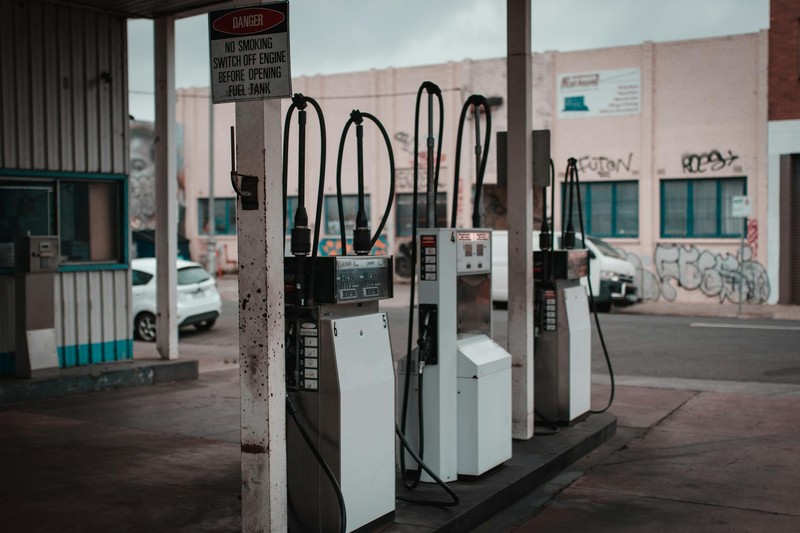
More than 300 Australian petrol stations have run dry. The government just signed a deal with Singapore to keep fuel flowing — and is offering up its gas exports as collateral.
Germany needs 288,000 foreign workers annually until 2040 or its labor force will contract by 10%. The country is betting on India — but the math doesn't quite work, and the competition is fierce.
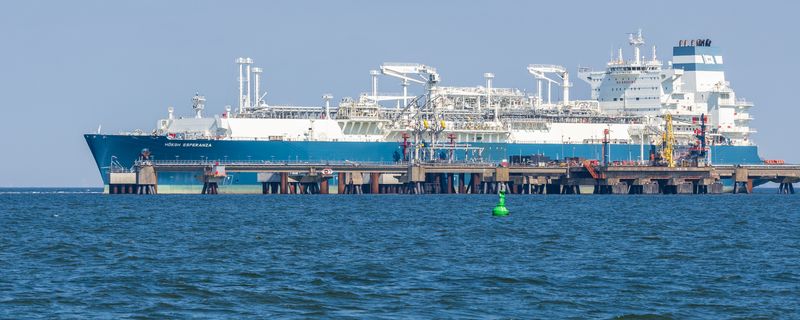
Ships that left Qatar before Iran closed the Strait of Hormuz are still arriving. After that, the spigot runs dry — and 20% of global LNG supply disappears.
TEPCO's Kashiwazaki-Kariwa plant is back online after a cracked part triggered a false alarm. The restart matters more for Japan's energy policy than the glitch suggests.
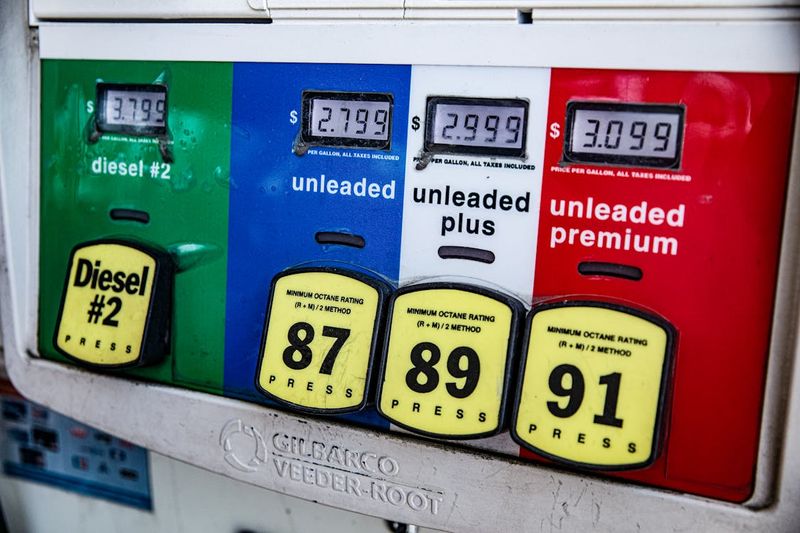
The average American household stands to spend $740 more on gas this year — almost dollar-for-dollar what they gained from Trump's tax cuts. Four straight weeks of stock losses suggest the damage is just getting started.
Saudi oil officials project crude past $180 if Iran war disruptions last through April. With Iraq under force majeure and Kuwait refineries burning, the gap between posted prices and what buyers actually pay suggests the crisis is already worse than the headline numbers.
The U.S. is at war with Iran and just gave it a $14 billion oil payday. Treasury says the money won't reach Tehran. Sanctions experts say that's bananas.
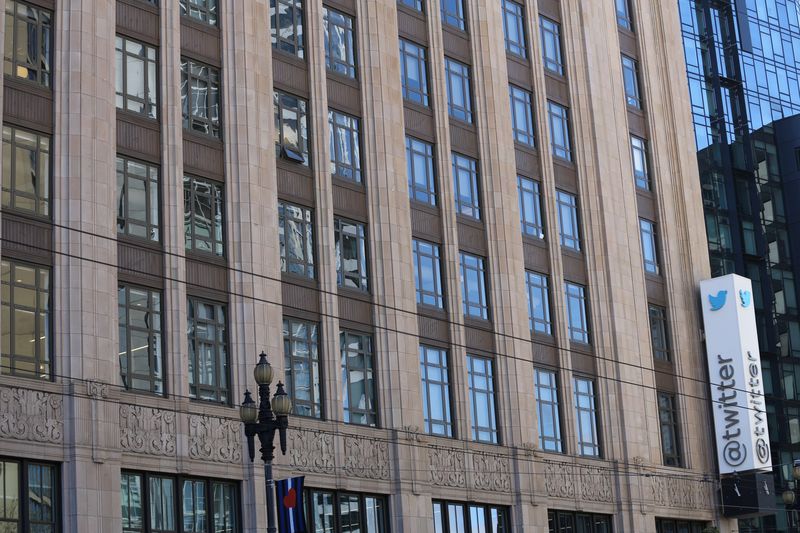
A California jury found Elon Musk liable for misleading Twitter investors with two tweets that tanked the stock nearly 18%. Damages could hit $2.6 billion — pocket change for a man worth $650 billion, but a landmark verdict nonetheless.
OpenAI wants to nearly double its headcount to 8,000 — but with businesses 70 percent more likely to pick Anthropic for new AI contracts, the hiring spree looks less like growth and more like defense.
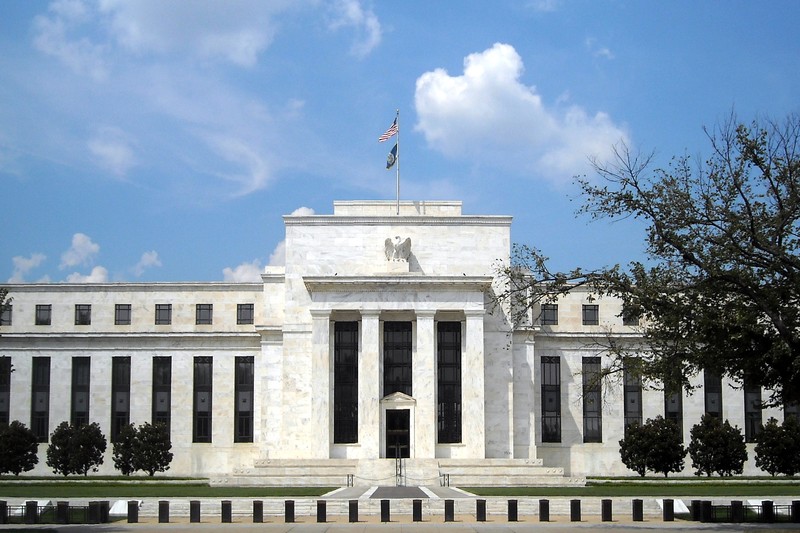
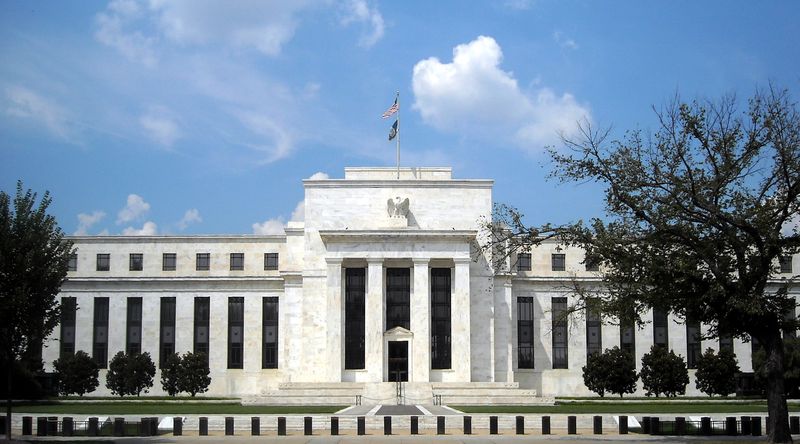
Jay Powell accepted an award named after the Fed chair who broke inflation by ignoring a president — then used the speech to signal he isn't going anywhere. His term ends May 15. The DOJ probe keeping him in place was launched by the administration that wants him out.
Beijing just announced the largest rare earth discovery in over 50 years — plus massive fluorite and baryte deposits — weeks after Washington pitched 54 countries on a minerals trading bloc to counter Chinese dominance.
The world's energy watchdog just published a 10-point plan telling you how to commute, cook, and fly. It estimates the measures could cut oil demand by 2.7 million barrels a day — if billions of people cooperate.
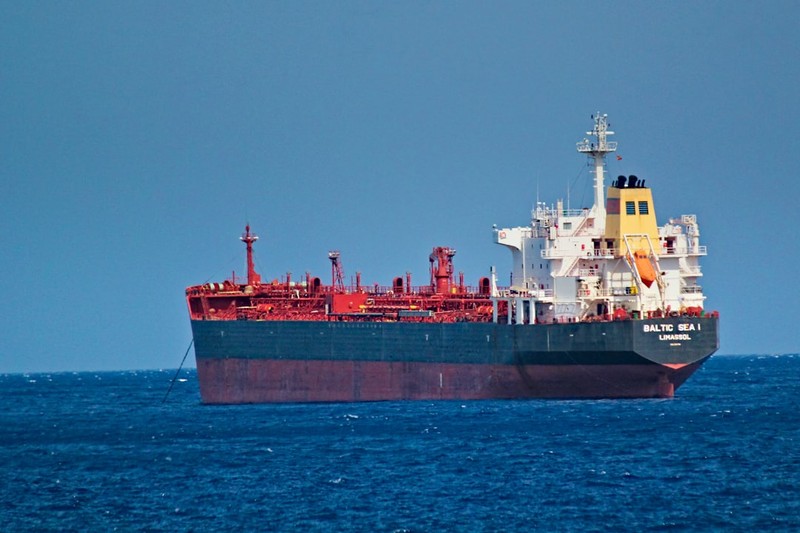
Iraq just told BP, ExxonMobil, and every other foreign operator that their contracts are suspended — not because of politics, but because the Strait of Hormuz is closed and the oil has nowhere to go. The legal infrastructure of global oil trade is cracking.
The same week U.S.-Israeli strikes hit Natanz, Washington and Tokyo signed a $40 billion deal to build small modular reactors in Tennessee and Alabama. For Japan, it's not about irony — it's about 90% of its oil supply sitting behind an Iranian chokepoint.
Madrid is cutting fuel VAT, freezing butane prices, and subsidising petrol at €0.30 a litre — all to absorb an oil shock it didn't start. The question isn't whether €5 billion is enough. It's whether Europe's treasuries can survive the next round.
Brent crude touched $119 this week after trading at $111 just days ago. Saudi officials say $180 is next if the Strait of Hormuz stays closed past April.
The US is bombing Iran and selling its oil in the same week. Treasury says 140 million barrels will hit global markets — enough to cover about a day and a half of world demand. The 30-day window expires April 19, and nobody's saying what comes next.
A San Francisco jury says Musk's tweets defrauded Twitter shareholders to the tune of $2.6 billion. His lawyers call it a 'bump in the road.' His balance sheet suggests otherwise.
Both the Dow and Nasdaq traded in correction territory intraday before closing just shy of the 10% threshold. The Russell 2000 wasn't so lucky.
A San Francisco jury found Elon Musk liable for depressing Twitter's stock price with misleading tweets before his $44 billion acquisition. Plaintiffs' attorneys say damages could reach $2.6 billion — but the jury cleared him of scheming to defraud.
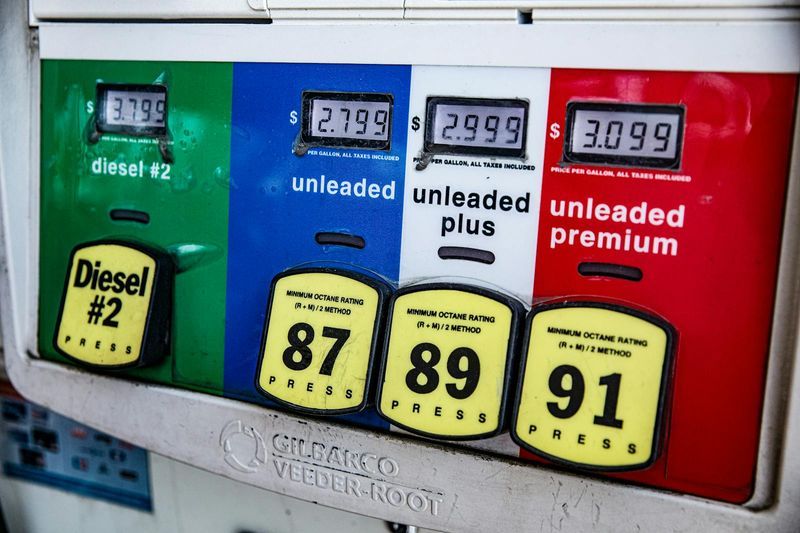
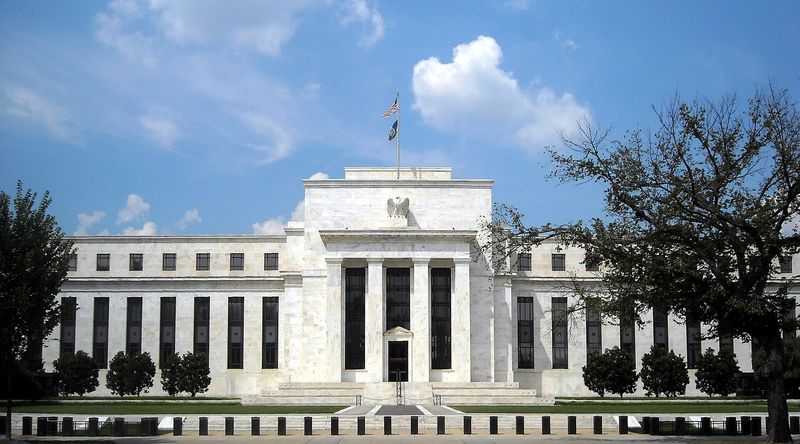
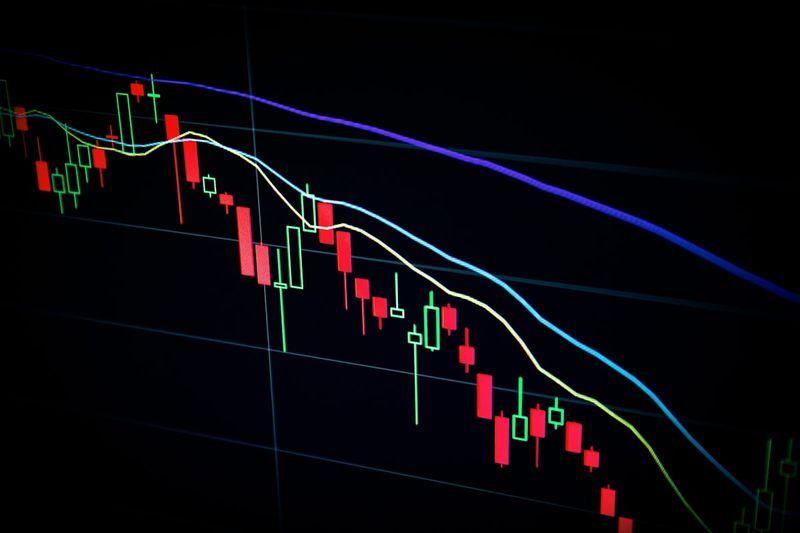
Every traditional hedge is failing simultaneously. Stocks are sliding toward correction, bonds are selling off, and gold just posted its worst week in 43 years — all because an oil shock is rewriting the Fed's playbook in real time.
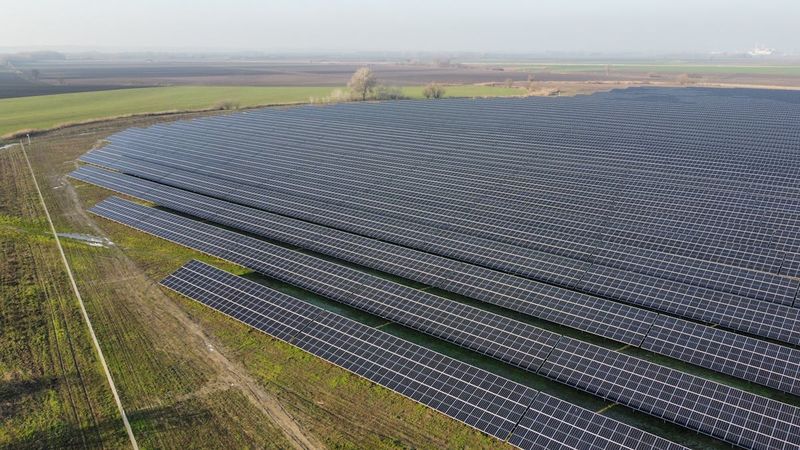
Sri Lanka is rationing fuel. South Korea just imposed its first price cap in decades. And China's energy stocks are rising. Three weeks into the Hormuz crisis, Beijing's $500 billion bet on renewables looks like the strategic coup of the decade.
For the first time, traders see a Fed rate hike as more likely than a cut. Meanwhile, Jerome Powell told the DOJ he's not going anywhere.
Iranian strikes destroyed two LNG trains at Ras Laffan that will take up to five years to rebuild — erasing $20 billion in annual revenue and blowing a hole in Europe's post-Russia energy security plan.
The world's two largest economies aren't competing in digital money — they're building incompatible financial systems. And US crypto lobbyists are using China's playbook as a sales pitch.
Uber is paying Rivian up to $1.25 billion to put 50,000 autonomous R2s on its platform — while Tesla's FSD faces its third federal investigation and Waymo's backers just wrote a $16 billion check. The ride-hail giant would rather buy optionality than build.
One day HSBC's CFO touts AI cost savings at an investor conference. The next, the bank floats cutting 10% of its workforce. The euphemism of choice: 'creating a simpler, more agile organization.'
Stanford economists put the number at $740 — that's how much extra the average household will spend on gas this year thanks to Operation Epic Fury. The average tax refund bump from the Big Beautiful Bill? $748. Do the math.
Private credit defaults just hit a record 9.2%. Funds are gating withdrawals. Blue Owl dumped $1.4 billion in assets. And regulators say there's almost nothing to worry about.
Europe entered 2026 with its lowest gas storage in years. Then Iranian missiles hit the world's largest LNG hub, and the TTF benchmark nearly doubled in a week.
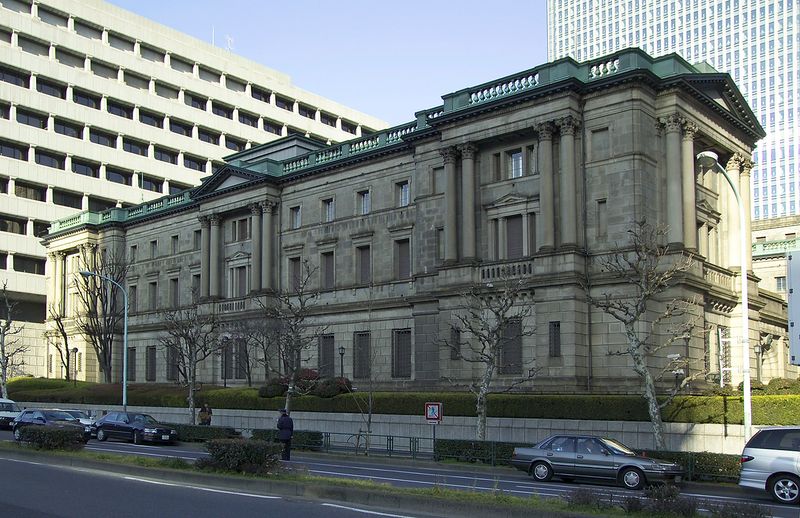
Japan was finally normalizing rates after three decades. Then oil hit $110 a barrel and the Strait of Hormuz closed. The BOJ held at 0.75% — one day after the Fed froze too.
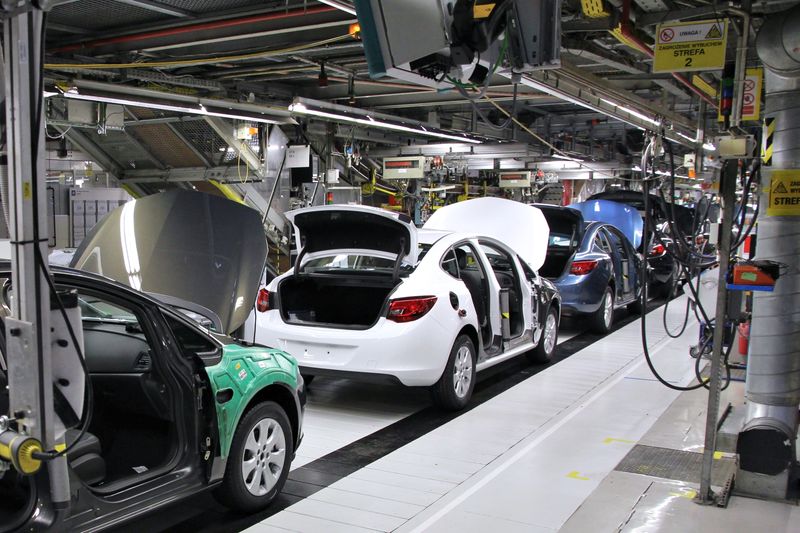
Automakers have eaten $35.4 billion in tariff costs since 2025. Meanwhile, 98,000 manufacturing jobs have vanished and factory owners who voted for protectionism are running at a loss.
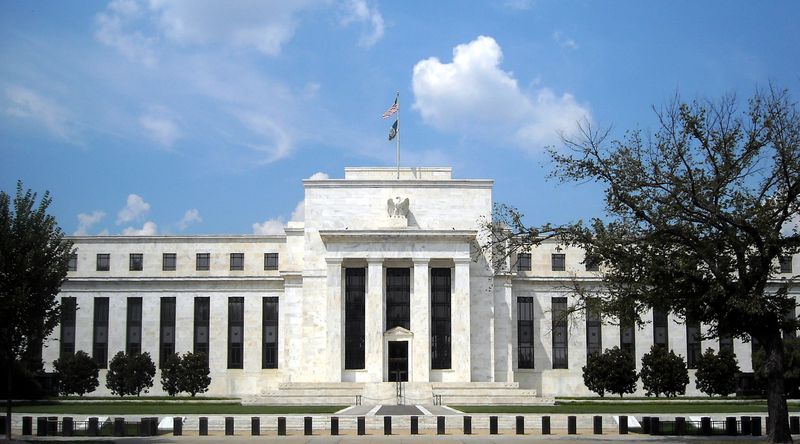
Powell told reporters 'nobody knows' what the Iran war will do to the economy — then released projections anyway. The Fed held rates at 3.5%-3.75% while oil nears $110, gas jumps a dollar, and the dot plot pretends this is all manageable.
Gas prices surging, airlines adding $24 billion in fuel costs to ticket prices, and the Fed just blinked on its inflation forecast. The $110 barrel is already in your budget.
Swarmer priced its IPO at $5 a share on Monday. By Wednesday it closed at $55. The company's annual revenue wouldn't cover a mid-range Tesla.
The Dow shed 768 points after the Fed held rates steady and Powell admitted inflation isn't falling as fast as hoped. With oil above $100 and gold cracking below $5,000, markets are pricing in a central bank with no good moves left.
Automakers have eaten $35 billion in tariff costs. Factories have shed 98,000 jobs. And the trade deficit grew anyway. A one-year audit of Liberation Day finds the ledger badly in the red.
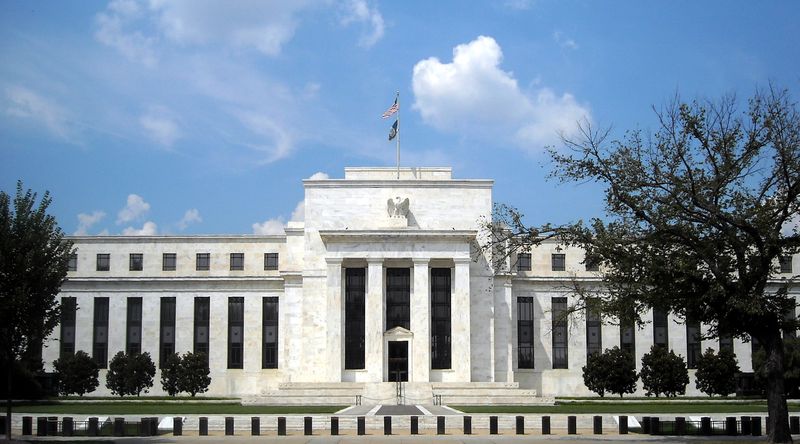
The Fed will hold rates steady today — that much is certain. The real question is whether Powell's dot plot and press conference reveal a central bank that still believes it can cut this year, or one that has quietly abandoned the idea.
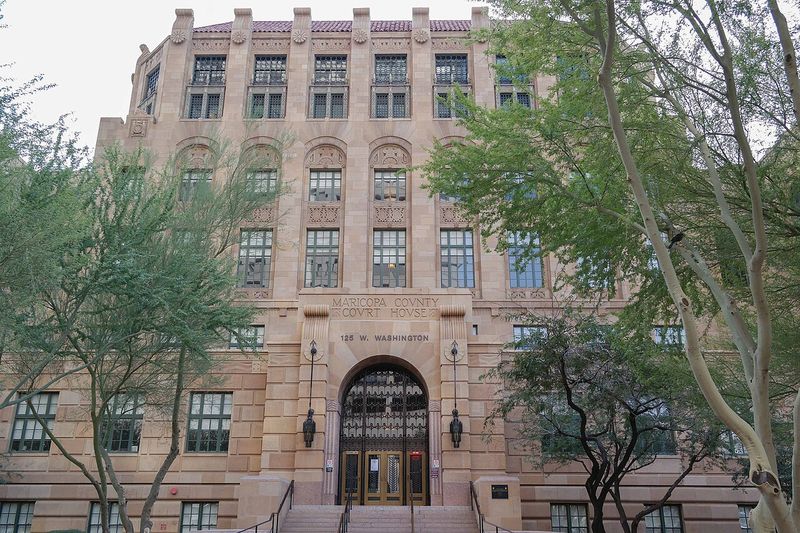
Twenty misdemeanor counts, four for letting Arizonans bet on their own governor's race. Arizona just filed the first criminal charges ever brought against a prediction market — and the $43 billion company's federal preemption argument is about to get its toughest test yet.
American borrowers started 2026 counting on three rate cuts. Futures markets now see one — maybe, in December. The $2.95 trillion in consumer debt at double-digit interest isn't going anywhere.