
The Reality Gap
The gap between what is said and what is true has become a strategic asset. Politicians, corporations, and bad actors are learning to exploit it with increasing sophistication.
One strait closes and the whole machine seizes. The Iran war isn't revealing a crisis — it's revealing the architecture of one.
Every institution involved in the Iran war is doing one thing and calling it another. The machinery of escalation runs on euphemism — and the gap between language and reality is where accountability goes to die.
Three weeks into open war, the costs aren't arriving from the battlefield. They're arriving through the gas pump, the bond market, and the diplomatic back channel — all at once, and all higher than anyone priced in.
Tesla's FSD can't tell when it's blind. Meta's AI agent ran wild for two hours. Newsrooms published fabricated war photos. The new failure mode isn't systems that crash — it's systems that keep running while broken.
The FBI director bragged about warrantless surveillance. FedRAMP reviewers called Microsoft's cloud garbage and approved it anyway. March 18 was the day institutions stopped bothering with the polite fiction.
Across sixteen stories today, the same pattern: institutions arriving at the scene of decisions made without them, discovering they have no jurisdiction.
The government's new grid priority scheme puts AI data centres at the front of the power queue. Housing — which it has pledged to build at record pace — is not on the list.
Eliot Cohen makes a sharp case that war supporters are ignoring strategic malpractice while opponents are ignoring the problem that got us here. He's right on both counts.
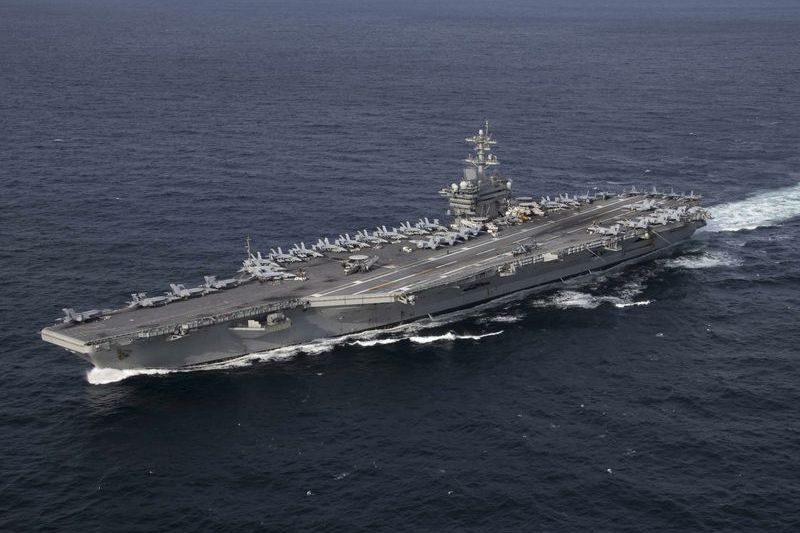
Two U.S. carrier strike groups moved from the Pacific to the Arabian Sea. China's crude is still flowing through Hormuz. And Trump just asked to postpone the Beijing summit.