Scientists Build 'Living Pharmacy' That Manufactures Drugs Inside Your Body
A gumstick-sized implant kept cells alive and producing three different drugs for a month in rats. The oxygen problem that has plagued cell therapies may finally be solved.
Eleven whales from two different family lines gathered around a laboring mother and took turns lifting her newborn to the surface. It's the first quantitative evidence of cooperative birth assistance outside primates.
Eleven whales spent three hours keeping a newborn calf afloat—and roughly half weren't even related to the mother.
A ventilation pipe on the Komsomolets wreck is belching radioactive strontium and caesium at levels 800,000 times higher than the surrounding sea. The good news: dilution is working. The bad news: corrosion has only just begun.
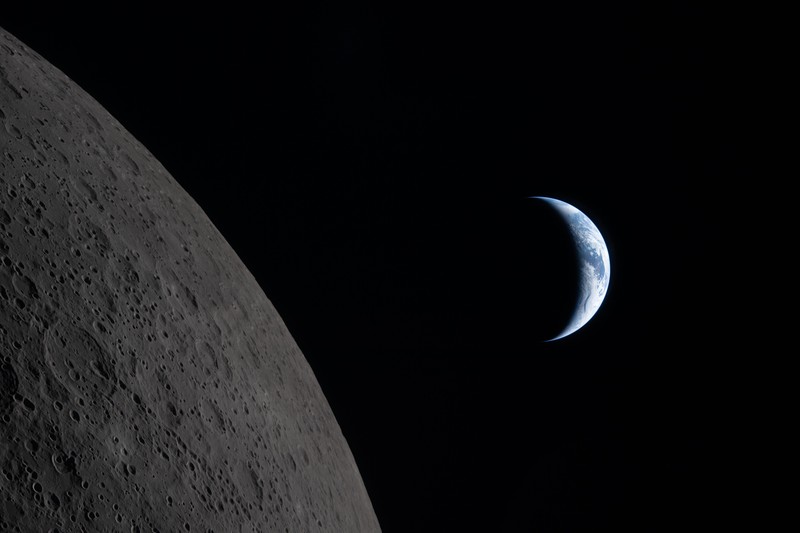
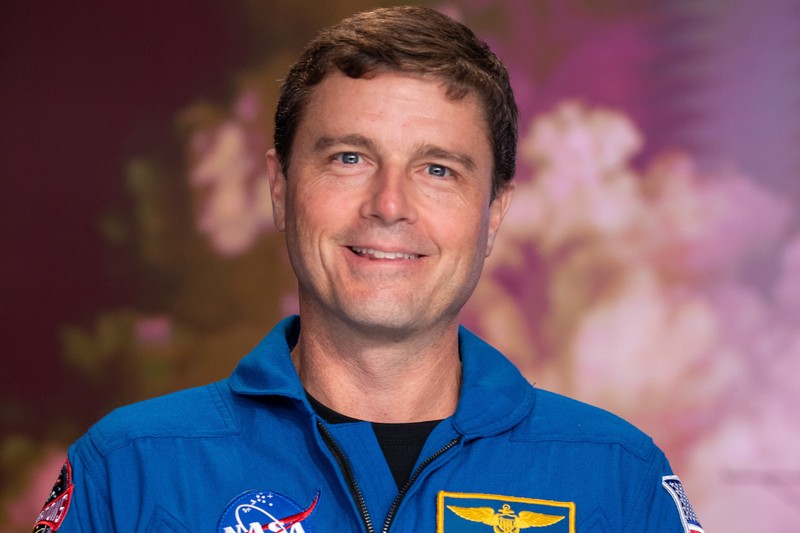
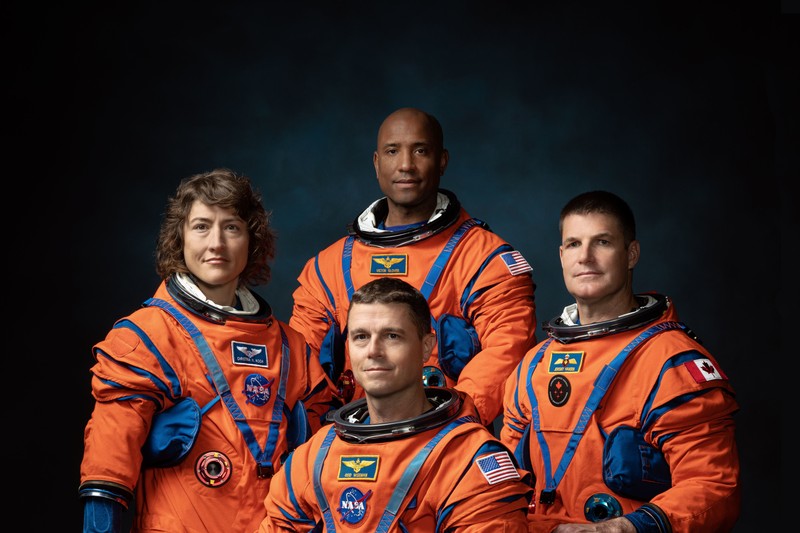
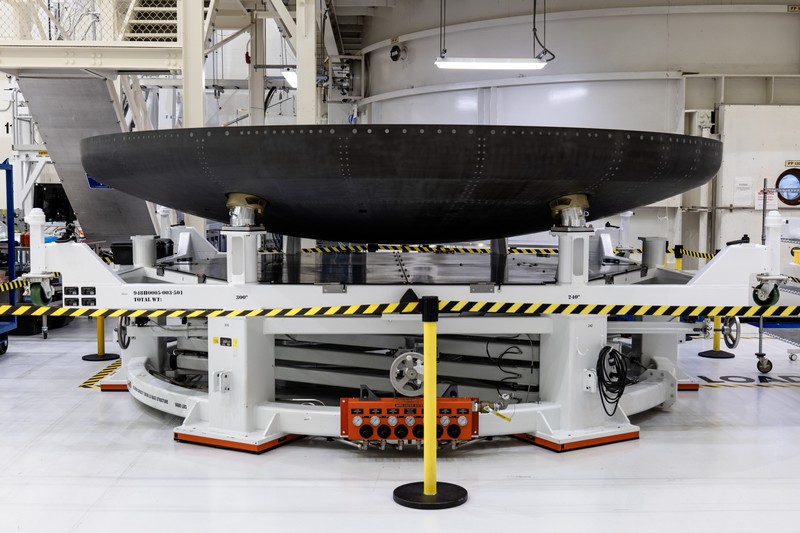
Four astronauts arrived in Florida on Friday to prepare for humanity's first crewed mission beyond low Earth orbit since 1972. Victor Glover will be the first Black astronaut near the Moon; Christina Koch, the first woman.
Researchers have confirmed a 1970s prediction: 'dark points' within light waves can move faster than light itself. The catch? Einstein's speed limit still holds.
People who received flattering feedback from chatbots became more convinced they were right and less likely to apologize to others—yet they rated the agreeable AI as more trustworthy.
NASA's space observatories have captured the ringed planet in visible and infrared light, allowing scientists to 'slice' through its atmosphere like peeling an onion.
Twin births occur in less than 1% of mountain gorilla deliveries. Virunga National Park just recorded its second set in three months—a remarkable stroke of luck for a subspecies fighting back from extinction.
Genetic analysis of ancient bones from Turkey and Britain pushes back the confirmed timeline of dog domestication by 5,000 years — and reveals a surprisingly homogeneous canine population spread across Ice Age Europe.
A new study found that trained radiologists spotted AI-generated X-rays only 75% of the time — even after being warned that fakes were present. The model that created the deepfakes couldn't reliably identify its own work.
CERN just drove 92 antiprotons across its campus in a truck — the first time antimatter has ever been transported. The destination? A future delivery service that could ship antimatter to labs across Europe.
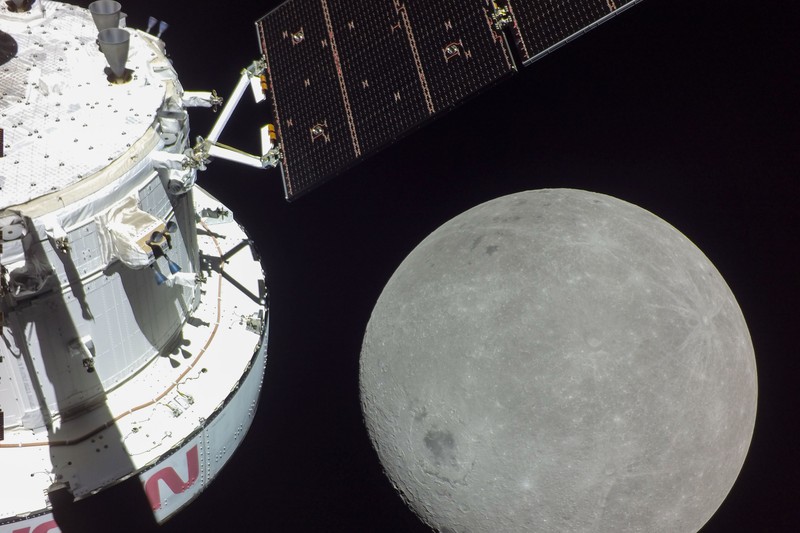
The Lunar Gateway is on ice. NASA's new chief wants $20 billion for a moon base instead—saying the old plan was "not a path to success."
All five nucleobases—the molecular letters of DNA and RNA—have been found in asteroid Ryugu. The building blocks of life may have been raining down on Earth for billions of years.
Qatar supplies a third of the world's helium — and the war just took it offline. Hospitals, chipmakers, and rocket companies are weeks away from feeling it.
Five pigs ate normally for six months using lab-grown gullets built from their own cells — no immunosuppression needed. The team behind it wants to do the same for children born without a functioning food pipe within five years.
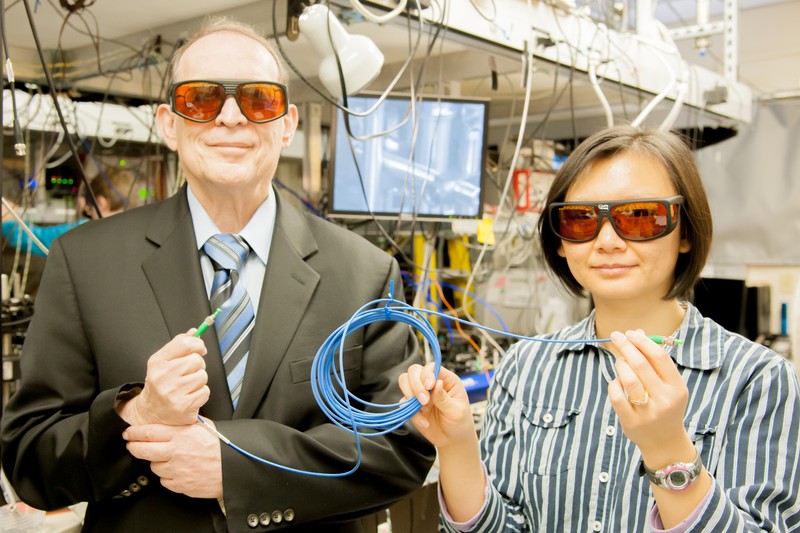
Charles Bennett and Gilles Brassard figured out how to use photons to lock down encryption keys — security guaranteed by physics, not math. Four decades later, with quantum computers threatening to crack conventional cryptography, the timing of computing's highest honor is no accident.
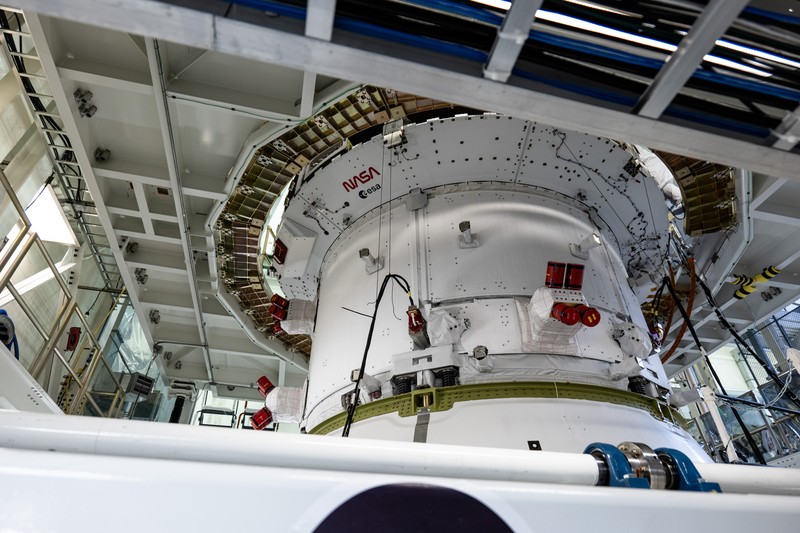
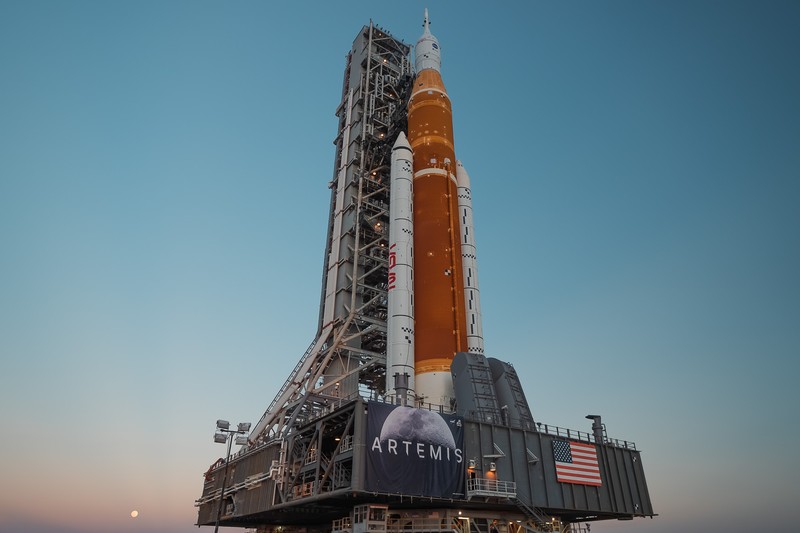
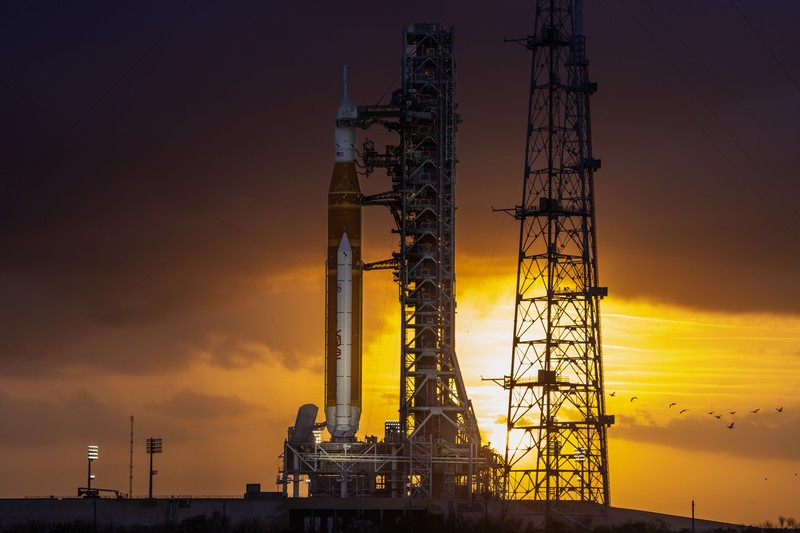
NASA's Artemis II rocket is back on the launch pad after a helium flow fix, with four astronauts in quarantine and an April 1 launch window opening. It's the first crewed trip to the Moon's vicinity since 1972.
Radial clusters of bolt-holes on Pompeii's fortress walls match the firing pattern of a polybolos — a rapid-fire weapon no one has ever found intact.
Over 3,400 dead marine creatures, 750 sick villagers, and four months later — scientists still can't say what's poisoning the waters off New Ireland Province.