Japan Dismantles Decades of Arms Export Curbs as Washington Wavers
Next week, Japan's cabinet will vote to let defense firms sell destroyers and missiles to the world. The cause isn't Beijing — it's doubt in Washington.
Five days after ending Viktor Orbán's 16-year rule, Péter Magyar has refused the prime minister's luxury office, confronted state broadcasters, and welcomed EU officials to discuss unlocking €17 billion. The COVID recovery tranche expires in August.
Four polling institutes now rank the far-right AfD as Germany's strongest party. Chancellor Merz's personal approval has fallen to his lowest ever. Coalition satisfaction: 27 percent.
A mainstream AI model — not the restricted Mythos — built a full Chrome exploit chain for the price of a laptop. The patch gap in millions of desktop apps just became a whole lot more exploitable.
Juries rule, regulators ban, legislatures vote. The outcomes keep moving in the wrong direction. The system isn't broken — it's captured.
A study of nearly 300,000 babies found the vast majority of RSV hospitalizations — 87% — were in infants whose mothers skipped the vaccine. Even a two-week gap before birth was enough to cut admissions dramatically.
Zero players, zero positive reviews, and an AI content disclosure on the store page. Another title in today's batch stands accused of harvesting data without warning. This is Steam's new releases queue now.
Two proposals failed after midnight. Congress bought itself 10 days to argue about a surveillance law that lets US agencies read the world's communications without a warrant.
Massachusetts passed shield laws to protect transgender youth care. Its largest western hospital stopped providing it anyway — before any federal rule took effect. No court ordered it to.
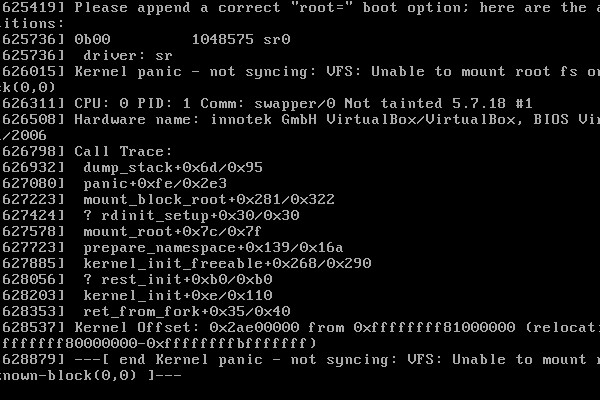
A design flaw baked into the Model Context Protocol lets attackers execute arbitrary commands on up to 200,000 servers. Anthropic calls it expected behavior.
Six years of near-total silence. No hype cycle, no FOMO campaign. Capcom's PRAGMATA just debuted at #1 on Steam with a 97% positive rating from over 1,000 reviews.
Oil crashed 13 percent and the Dow surged 1,000 points on news that Hormuz is open. The US blockade of Iran hasn't moved. Neither has the war.
The UK's security vetting service said no. The Foreign Office said yes anyway. Keir Starmer's defense is that nobody told him — and members of his own party want him gone.
Live Nation lost on every single count. The company's response: 'This is not the last word.' They're right — and fans shouldn't hold their breath for cheaper tickets.
The heat shield on Artemis I came back so gouged it delayed the next flight by years. NASA changed the re-entry path but not the shield. The Artemis II crew says it 'looked wonderful.' Engineers will spend months deciding if they agree.
Indian Oil Corp bought $200 million worth of Iranian crude and paid in Chinese yuan through ICICI's Shanghai branch. The US dollar — the lingua franca of global oil trade — didn't touch this transaction once.
Two people are playing a 33-year-old edutainment CD-ROM on Steam right now. The sole review mentions a Packard Bell. Some artifacts just won't stay extinct.
The sequel to a BAFTA-nominated flying city-builder just hit 1.0 with a 50% launch discount and near-universal praise — and almost nobody's playing it.